Red Rice Chicken Curry & Green Beans

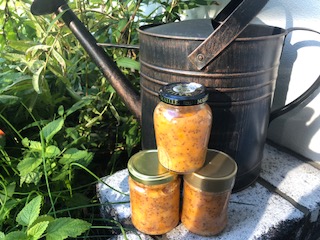
IMG_5320

1 cup Red Rice

500g Diced free range  chicken breast or thigh

2 carrots

1 yellow capsicum ( or any other colour)

Spring onion – 2 Stems

1 small zucchini or 1/2 large

bunch radish

2 cloves garlic

6-8 large  Baby Romas tomatoes

2 cups  organic coconut milk

1 Banana- mashed

4-6 kaffir lime leaves or Laksa leaves

 Splash  EVOO ( Extra Virgin Olive Oil )

BEANS 

*200-500g fresh greens ( 1 garlic clove , 1 teaspoon dried or fresh italian herbs , 2 tablespoon EVOO

SPICES

1 Tablespoon , of Ground coriander, Garam Masala , Cumin, Hot Indian curry powder.

1 teaspoon of chilli flakes or  1 fresh chilli  or Sambal Olek

Continue reading

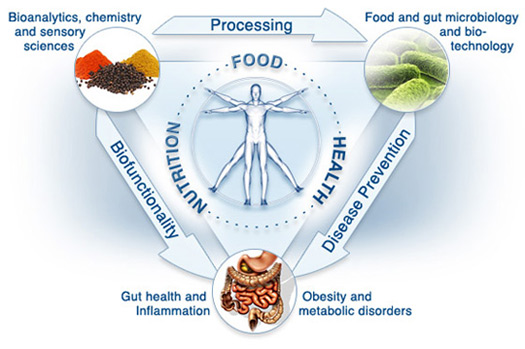
What Is Functional Nutritional Medicine?

Functional-Medicine

Functional Nutritional Medicine 

Emphasizes the importance of high quality foods and phytonutrient

diversity to address clinical imbalances and move individuals toward the highest

expression of health. By addressing root cause, rather than symptoms, clinical functional

nutritional medicine practitioners become oriented to identifying the complexity of disease.

One condition has many different causes and, likewise, one cause may result in many

different conditions. Nutritional Medicine is an. It requires a detailed understanding of each

patient’s genetic, biochemical, and lifestyle to direct personalised treatment plan that leads to improved patient outcomes.

Advanced nutrition assessment and a thorough Functional Medicine based history leads to a personalized therapeutic intervention created to promote optimal health and prevent diet and lifestyle-related disease.


Nutrition is the core modality of Functional Nutritional Medicine, an integrative approach to health. “Functional Nutritional Medicine is an evolution in the practice of medicine that better addresses the healthcare needs of the 21st century. By shifting the traditional disease-centered focus of medical practice to a more patient-centered approach.


Functional Nutritional Medicine addresses the whole person, not just an isolated set of symptoms. Functional Medicine practitioners spend time with their patients, listening to their histories and evaluating the interactions among genetic, environmental, and lifestyle factors that can influence long-term health and complex, chronic disease. In this way, Functional Medicine supports the unique expression of health and vitality for each individual.”

Prevention is paramount. Virtually every complex, chronic disease is preceded by long-term disturbances in functionality that can be identified and effectively managed

Functional Medicine expands the clinician’s tool kit. Treatments may include combinations of drugs, botanical medicines, nutritional supplements, therapeutic diets, or detoxification programs. They may also include counseling on lifestyle, exercise, or stress-management techniques.

The patient becomes a partner. As a patient, you become an active partner with your Functional Medicine practitioner. Such a partnership allows you to be in charge of improving your own health and changing the outcome of disease.

Functional Medicine practitioner is able to understand how your body

  • rids itself of toxins
  • regulation of hormones and neurotransmitters
  • immune system function
  • digestion and absorption of nutrients and the health of the digestive tract
  • structural integrity
  • psychological and spiritual equilibrium
  • how you produce energy inflammatory responses

Continue reading

NIGHTSHADES & INFLAMMATION

images

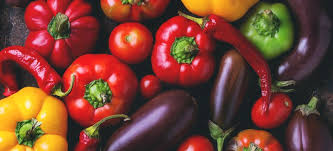
WHAT ARE NIGHTSHADES???

You may have heard of the term “deadly nightshade” referring to a plant called belladonna, which was used as a poison in ancient times.
The Latin name for this family of plants is Solanaceae, because all of them produce an alkaloid compound called solanine.

Solanine is concentrated in the leaves and stems, and that’s one of the reasons we don’t eat those parts of the plants, it is a chemical which can cause symptoms of poisoning in humans if ingested in large quantities.

A big salad of tomato or potato leaves might actually contain enough solanine to give you an upset stomach.

Perhaps you’ve also heard that potatoes with sprouting eyes are poisonous. That’s because potatoes that have started to sprout or have developed a greenish tint to their skins are often higher in solanine.  It’s best not to eat them.

Did you know they are inflammatory? Lesser known are the commonly eaten vegetables in the same nightshade family.
They aren’t deadly, but they contain enough toxins to cause inflammation in some people, particularly those with an autoimmune disease.
According to the Arthritis Foundation  the belief that eating nightshade vegetables worsens arthritis is a myth. They claim people with arthritis may benefit from the high nutrition content in nightshades.
 
View research paper : “Pigmented potato consumption alters oxidative stress and inflammatory damage in men.”
Problems with nightshades are mostly seen in Caucasians and is mostly genetic.
Often, we don’t realize just how much, until we stop eating them:

Continue reading

Glutathione

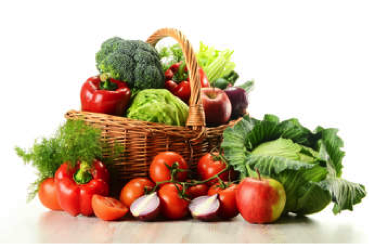
VEGETABLES

GLUTATHIONE
Glutathione is a powerful antioxidant that is naturally produced by the body. It’s one of the most talked about supplements nowadays, as it provides a long list of benefits — from helping prevent oxidative damage to improving skin health and protecting the immune system.1It’s also found in, and used by, every cell and tissue in the body, making it a vital molecule for a number of physiological processes.2

However, there’s a variety of factors that may deplete your body’s glutathione levels over time, resulting in a number of health issues, including weakened immune system, cell mutations and higher susceptibility to cancer.3 Read on to find out more about the importance of this natural antioxidant and the ways to maintain normal levels of it in your body.

Continue reading