Red Rice Chicken Curry & Green Beans

IMG_5320

1 cup Red Rice

500g Diced free range  chicken breast or thigh

2 carrots

1 yellow capsicum ( or any other colour)

Spring onion – 2 Stems

1 small zucchini or 1/2 large

bunch radish

2 cloves garlic

6-8 large  Baby Romas tomatoes

2 cups  organic coconut milk

1 Banana- mashed

4-6 kaffir lime leaves or Laksa leaves

 Splash  EVOO ( Extra Virgin Olive Oil )

BEANS 

*200-500g fresh greens ( 1 garlic clove , 1 teaspoon dried or fresh italian herbs , 2 tablespoon EVOO

SPICES

1 Tablespoon , of Ground coriander, Garam Masala , Cumin, Hot Indian curry powder.

1 teaspoon of chilli flakes or  1 fresh chilli  or Sambal Olek

Continue reading

Pistachio, Apricot & Dark Chocolate Energy Bars

WITH MIXED SEEDS, OATS & ALMOND BUTTER

DAIRY-FREE

MAKES: 16 
COOKS IN: 50 MINUTES\SUPER EASY

INGREDIENTS

Olive oil for greasing- 75 g shelled pistachios -100 g mixed seeds
 -250 g rolled oats

8 Medjool dates
-100 g dried apricots
 -50 g quality dark chocolate (70%)- 100 ml maple syrup – 
4 tablespoons smooth almond butter

NUTRITION PER SERVING OF AN ADULT’S REFERENCE INTAKE

Continue reading

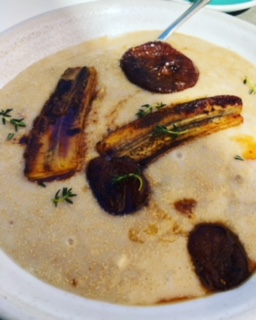
Amaranth Thyme Porridge

Ingredients thumbnail_IMG_3478

1/2-1 cup  Amaranth

2-3 cups of water or almond milk or choice of milk ( May use half half – experiment with what you like)

1/2 – 1 Banana  depending on size

1-2 dried  figs ( if you have fresh use fresh)

1 Tablespoon crushed almonds. cashews, brazil or Nuts of choice- No peanuts

2  Medjool   fresh dates

1-2 sprigs of FRESH thyme

Continue reading

Vitamin D 3


Vitamin D is widely known for its role in calcium homeostasis and maintenance of skeletal health, and in addition is becoming increasingly known to be crucial to many areas of health and chronic disease prevention. Activated vitamin D functions more as a hormone than a vitamin, with roles in immune modulation, insulin and thyroid hormone secretion, cell cycle regulation, cardiovascular function and the control of inflammation. Due to its wide range of actions, and the high prevalence of vitamin D3 deficiency, supplementation with a stable form of vitamin D3 has the potential to benefit a large section of the population.

CLINICAL APPLICATIONS

KEY ACTIONS

• Regulate calcium absorption and homeostasis

• Promotes bone mineralisation

• Supports immune defence

• Promotes immune regulation

• Regulates heart muscle function

• Regulates cell cycles

• Regulates endocrine function

o insulin secretion

o thyroid hormone secretion

KEY APPLICATIONS

• Individuals at risk of vitamin D deficiency

• Bone and muscle health

o Poor bone mineral density / osteoporosis

o To reduce risk of fracture

o To reduce risk of fall in elderly due to poor muscle strength

• Chronic disease

o Inflammatory and autoimmune diseases

o Multiple sclerosis

o Cardiovascular disease risk

o Hypertension

o Diabetes mellitus

o Cancer risk

o Fibromyalgia and chronic fatigue syndrome

Continue reading

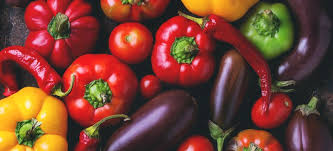
NIGHTSHADES & INFLAMMATION

images

WHAT ARE NIGHTSHADES???

You may have heard of the term “deadly nightshade” referring to a plant called belladonna, which was used as a poison in ancient times.
The Latin name for this family of plants is Solanaceae, because all of them produce an alkaloid compound called solanine.

Solanine is concentrated in the leaves and stems, and that’s one of the reasons we don’t eat those parts of the plants, it is a chemical which can cause symptoms of poisoning in humans if ingested in large quantities.

A big salad of tomato or potato leaves might actually contain enough solanine to give you an upset stomach.

Perhaps you’ve also heard that potatoes with sprouting eyes are poisonous. That’s because potatoes that have started to sprout or have developed a greenish tint to their skins are often higher in solanine.  It’s best not to eat them.

Did you know they are inflammatory? Lesser known are the commonly eaten vegetables in the same nightshade family.
They aren’t deadly, but they contain enough toxins to cause inflammation in some people, particularly those with an autoimmune disease.
According to the Arthritis Foundation  the belief that eating nightshade vegetables worsens arthritis is a myth. They claim people with arthritis may benefit from the high nutrition content in nightshades.
 
View research paper : “Pigmented potato consumption alters oxidative stress and inflammatory damage in men.”
Problems with nightshades are mostly seen in Caucasians and is mostly genetic.
Often, we don’t realize just how much, until we stop eating them:

Continue reading