NIGHTSHADES & INFLAMMATION

images

WHAT ARE NIGHTSHADES???

You may have heard of the term “deadly nightshade” referring to a plant called belladonna, which was used as a poison in ancient times.
The Latin name for this family of plants is Solanaceae, because all of them produce an alkaloid compound called solanine.

Solanine is concentrated in the leaves and stems, and that’s one of the reasons we don’t eat those parts of the plants, it is a chemical which can cause symptoms of poisoning in humans if ingested in large quantities.

A big salad of tomato or potato leaves might actually contain enough solanine to give you an upset stomach.

Perhaps you’ve also heard that potatoes with sprouting eyes are poisonous. That’s because potatoes that have started to sprout or have developed a greenish tint to their skins are often higher in solanine.  It’s best not to eat them.

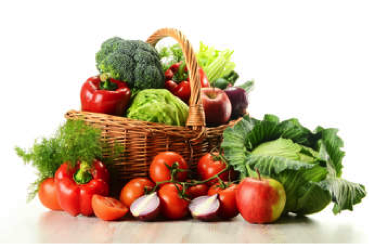
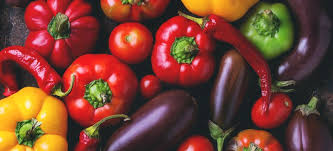
Did you know they are inflammatory? Lesser known are the commonly eaten vegetables in the same nightshade family.
They aren’t deadly, but they contain enough toxins to cause inflammation in some people, particularly those with an autoimmune disease.
According to the Arthritis Foundation  the belief that eating nightshade vegetables worsens arthritis is a myth. They claim people with arthritis may benefit from the high nutrition content in nightshades.
 
View research paper : “Pigmented potato consumption alters oxidative stress and inflammatory damage in men.”
Problems with nightshades are mostly seen in Caucasians and is mostly genetic.
Often, we don’t realize just how much, until we stop eating them:

Continue reading

SUNFLOWER

A Great Source of Vitamin E

Sunflower

The Sunflower is an annual herbaceous plant belonging to the daisy family, the largest and one of the most popular plants from this family. It can grow up to 4 meters in height. The root is hairy and made of fiber, and it creates plenty of spacious roots that can penetrate up to 3 meters in the ground.
Within every fruit, there is one light gray seed, rich in herbal oils, vitamins, proteins, and minerals. The mature sunflower can contain up to half a kilo of seeds. Plant parts used are the seed and flower petals.
Sunflower oil and oil cakes are used extensively in the food industry as a high quality energy food. These days, there are numerous sunflower breeds, grown for oil production and their voluminous forage.
The flower petals contain anthocyanicglycosides, xanthophyll, choline, betaine, carotenoids, phytosterines, sapogenins and sunflower acid.
Oil is made of two types of seed: small black seeds that deliver high-quality oil and large grey- black seeds with white stripes that are used for food.
Nutritional Value 
Sunflower seeds of 100 grams contain 25 grams proteins, 42 grams fat, 1 gram carbs and 4 grams herbal fibre.
The energy value is 2450 kj (585 kcal). The seed contains vitamin A, vitamins from the B group, vitamin E, and of minerals, there are are calcium, phosphorus, iron and sodium.


Glutathione

VEGETABLES

GLUTATHIONE
Glutathione is a powerful antioxidant that is naturally produced by the body. It’s one of the most talked about supplements nowadays, as it provides a long list of benefits — from helping prevent oxidative damage to improving skin health and protecting the immune system.1It’s also found in, and used by, every cell and tissue in the body, making it a vital molecule for a number of physiological processes.2

However, there’s a variety of factors that may deplete your body’s glutathione levels over time, resulting in a number of health issues, including weakened immune system, cell mutations and higher susceptibility to cancer.3 Read on to find out more about the importance of this natural antioxidant and the ways to maintain normal levels of it in your body.

Continue reading

Food Allergy Testing- FREE Body Composition Test (worth $75)

food allergy blood test

Are you reacting to the foods  you eat or unsure if food triggers symptoms ?
The world’s first in-clinic food IgG blood test is now available at Focus Nutritional Medicine.
Quick, reliable food IgG testing. Finger prick sample, results in 40 minutes.
Food Detective™ is a blood test for food antibodies (IgG)  , NO sending off samples and waiting  weeks to receive results from a testing laboratory.

This  test picks up if  you have  IgG antibodies to specific foods has areas spotted with food protein extracts. A small blood sample is taken from a finger-prick and is then diluted and added to the tray. In subsequent steps the use of detector and developer solutions identify the presence of food antibodies through the appearance of one or more blue spots on the tray.

You will discover if you  could be intolerant to these food/s … find out, get  TESTED TODAY !!!
Continue reading