Carrot Fritters

Screen Shot 2018-08-22 at 9.27.23 amINGREDIENTS
large eggs
Kosher salt and pepper
12 oz. carrots (about 3 large)
1/4 c. panko bread crumbs/ gluten free BC / Polenta/Buckwheat Flakes /Quinoa Flakes 
scallions, thinly sliced
red chile, seeded for less heat and thinly sliced
1 c. fresh cilantro
2 tbsp. fresh lime juice
3 tbsp. olive oil
2 oz. feta cheese, crumbled
Green salad, for serving


DIRECTIONS
  1. In a large bowl, whisk together the eggs and 1/2 teaspoon each salt and pepper.
  2. Using a food processor with the large grater attachment, coarsely grate the carrots. Add them to the bowl with the eggs and toss to coat. Fold in the panko, then 2 scallions, the chile, and cilantro.
  3. In a small bowl, combine the lime juice, 1 tablespoon oil, and remaining scallion.
  4. Heat a large cast-iron skillet over medium heat, then add 1 tablespoon oil. Drop 6 spoons of the carrot mixture into the skillet and cook until golden brown and crisp, about 3 minutes per side; transfer to a wire rack. Repeat with the remaining oil and carrot mixture, adding more oil to the skillet, if necessary.
  5. Gently stir the feta into the lime-scallion mixture. Serve over the carrot fritters and serve with green salad, if desired.

Continue reading

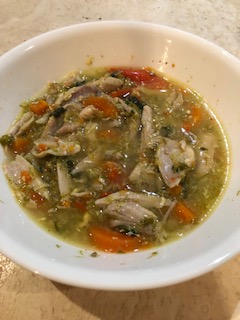
Winter Chicken & Egg Soup

thumbnail_IMG_3369Ingredients

1Kg Chicken drumsticks or Thighs

1 carrot diced

1/4-1/2  Leek chopped

1 red Capsicum diced 

1 1/2 Tablespoon chicken Stock

1 Beaten egg

Method 

1:  Place chicken and all other ingredients into a saucepan and fill with filtered water and  bring to boil and then simmer.

2: When ready  take the drumsticks out and then shred or slice thigh. Add back to the  soup and simmer.

3:Add beaten egg  and stir through until egg is cooked.

Serve with slice of lemon and  fresh piece of fermented Sour dough with some yummy Grass fed butter !!!!

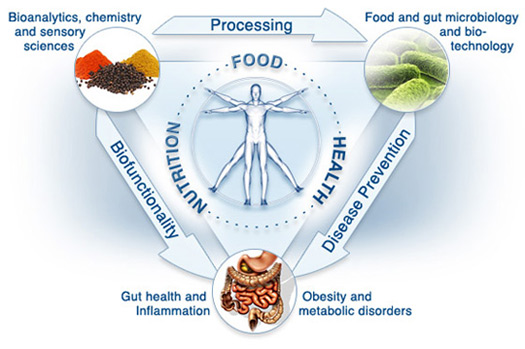
What Is Functional Nutritional Medicine?

Functional-Medicine

Functional Nutritional Medicine 

Emphasizes the importance of high quality foods and phytonutrient

diversity to address clinical imbalances and move individuals toward the highest

expression of health. By addressing root cause, rather than symptoms, clinical functional

nutritional medicine practitioners become oriented to identifying the complexity of disease.

One condition has many different causes and, likewise, one cause may result in many

different conditions. Nutritional Medicine is an. It requires a detailed understanding of each

patient’s genetic, biochemical, and lifestyle to direct personalised treatment plan that leads to improved patient outcomes.

Advanced nutrition assessment and a thorough Functional Medicine based history leads to a personalized therapeutic intervention created to promote optimal health and prevent diet and lifestyle-related disease.


Nutrition is the core modality of Functional Nutritional Medicine, an integrative approach to health. “Functional Nutritional Medicine is an evolution in the practice of medicine that better addresses the healthcare needs of the 21st century. By shifting the traditional disease-centered focus of medical practice to a more patient-centered approach.


Functional Nutritional Medicine addresses the whole person, not just an isolated set of symptoms. Functional Medicine practitioners spend time with their patients, listening to their histories and evaluating the interactions among genetic, environmental, and lifestyle factors that can influence long-term health and complex, chronic disease. In this way, Functional Medicine supports the unique expression of health and vitality for each individual.”

Prevention is paramount. Virtually every complex, chronic disease is preceded by long-term disturbances in functionality that can be identified and effectively managed

Functional Medicine expands the clinician’s tool kit. Treatments may include combinations of drugs, botanical medicines, nutritional supplements, therapeutic diets, or detoxification programs. They may also include counseling on lifestyle, exercise, or stress-management techniques.

The patient becomes a partner. As a patient, you become an active partner with your Functional Medicine practitioner. Such a partnership allows you to be in charge of improving your own health and changing the outcome of disease.

Functional Medicine practitioner is able to understand how your body

  • rids itself of toxins
  • regulation of hormones and neurotransmitters
  • immune system function
  • digestion and absorption of nutrients and the health of the digestive tract
  • structural integrity
  • psychological and spiritual equilibrium
  • how you produce energy inflammatory responses
Continue reading

SUNFLOWER

A Great Source of Vitamin E

Sunflower

The Sunflower is an annual herbaceous plant belonging to the daisy family, the largest and one of the most popular plants from this family. It can grow up to 4 meters in height. The root is hairy and made of fiber, and it creates plenty of spacious roots that can penetrate up to 3 meters in the ground.
Within every fruit, there is one light gray seed, rich in herbal oils, vitamins, proteins, and minerals. The mature sunflower can contain up to half a kilo of seeds. Plant parts used are the seed and flower petals.
Sunflower oil and oil cakes are used extensively in the food industry as a high quality energy food. These days, there are numerous sunflower breeds, grown for oil production and their voluminous forage.
The flower petals contain anthocyanicglycosides, xanthophyll, choline, betaine, carotenoids, phytosterines, sapogenins and sunflower acid.
Oil is made of two types of seed: small black seeds that deliver high-quality oil and large grey- black seeds with white stripes that are used for food.
Nutritional Value 
Sunflower seeds of 100 grams contain 25 grams proteins, 42 grams fat, 1 gram carbs and 4 grams herbal fibre.
The energy value is 2450 kj (585 kcal). The seed contains vitamin A, vitamins from the B group, vitamin E, and of minerals, there are are calcium, phosphorus, iron and sodium.